Safety and Efficacy of Mesenchymal Stem Cell Therapy in Aging Frailty: A Systematic Review
Aging frailty is a multifactorial geriatric syndrome characterized by reduced physiological reserve across multiple interrelated systems, leading to increased vulnerability to adverse health outcomes. Mesenchymal stem cells (MSCs) have emerged as a potential therapeutic intervention due to their immunomodulatory and regenerative properties. This systematic review aimed to evaluate the available clinical evidence regarding the safety and efficacy of MSC administration in individuals with aging frailty.
Source: MDPI
Clinical outcomes following platelet-rich plasma injection for plantar plate injuries at midterm follow-up
To evaluate patient-reported outcomes, return to activity, complications, and failures at midterm follow-up in patients with plantar plate injuries treated with PRP injection.
Source: ScienceDirect
Jump tests can help predict athlete injury risk
A new study from Yale Sports Medicine reveals that a quick vertical jump test using force plate technology could provide a shortcut to identifying at-risk athletes before an injury occurs. The work is published in the International Journal of Sports Physical Therapy.
Source: Medical Xpress
Everything You Need To Know About Achilles Tendinitis
Achilles tendinitis is an overuse injury of the Achilles tendon, the tendon that connects your calf muscles at the back of your lower leg to your heel bone. When you walk, run, or jump, you are using your Achilles tendon.
Source: Health
7 Types of Exercise That Help Improve Bone Density Naturally
Strengthen your bones naturally with exercises that improve bone density. Discover how activities like walking, dancing, and resistance training can help prevent bone loss.
Source: Verywell Health
Healthcare News
Contact Dr. Walls
Schedule an Appointment to Receive Specialist Orthopaedic Care for Foot & Ankle

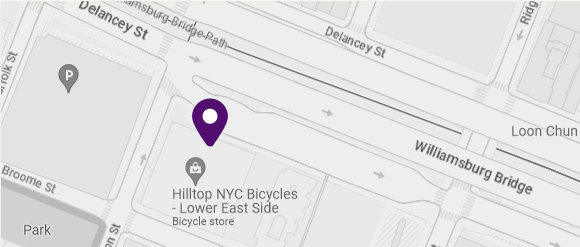
Manhatten Office
1171 Delancey Street, New York, NY 10002
Tell :
Book an Appointment →-
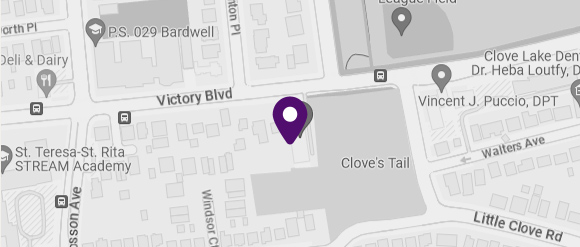
Staten Island Office
1534 Victory Boulevard, Staten Island, NY 10314
Tell :
Book an Appointment → -
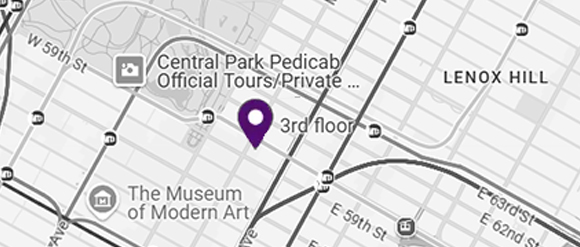
Midtown East Office
645 Madison Avenue, 3rd Floor, New York, NY 10022
Tell :
Book an Appointment →