13 Causes of Leg Cramps and Their Treatments
Leg cramps have various causes, including dehydration and mineral deficiencies. You can often treat them with hydration and proper stretching.
Source: Health
12 Ways to Relieve Foot Pain
Resting and elevating your feet can reduce swelling and improve blood flow.Ice therapy helps numb the area and reduce pain and inflammation.
Source: Verywell Health
Research Landscape of Stem Cell Applications in Musculoskeletal Tissue: A Scoping Review
Stem cell therapy represents an intrinsic part of regenerative medicine, with expanding applications in orthopedic and musculoskeletal research. Although studies span from small-animal models to early-phase clinical trials, the field remains fragmented, with wide variation in stem cell types, delivery methods, and target tissues.
Source: MDPI
Standardization of Platelet-Rich Plasma Preparation in Orthopedics: A Review of the Literature and Proposal for a Reproducible Protocol
Platelet-rich plasma (PRP) is widely used in orthopedics and sports medicine as an autologous product; however, substantial heterogeneity in manufacture and incomplete reporting of preparation parameters limits reproducibility and inter-study comparability.: We performed a PRISMA-guided methodological review of studies describing PRP preparation, subsequently focusing on orthopedic applications.
Source: MDPI
Foot and ankle biomaterials: a comprehensive review of current applications, challenges, and future directions
Metallic biomaterials enable successful reconstruction and fixation of skeletal tissues by supporting repair, load-bearing function, and anatomical alignment in foot and ankle surgery. However, the unique anatomic and biomechanical demands of this region, combined with challenging pathologies such as flatfoot and Charcot neuroarthropathy, present distinct challenges, with effective intervention requiring targeted biomaterial solutions and precise indications.
Healthcare News
Contact Dr. Walls
Schedule an Appointment to Receive Specialist Orthopaedic Care for Foot & Ankle

Manhatten Office
1171 Delancey Street, New York, NY 10002
Tell :
Book an Appointment →-
Staten Island Office
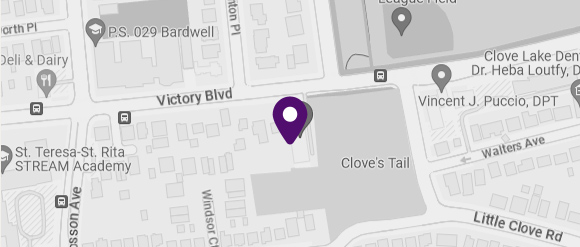
1534 Victory Boulevard, Staten Island, NY 10314
Tell :
Book an Appointment → -
Midtown East Office
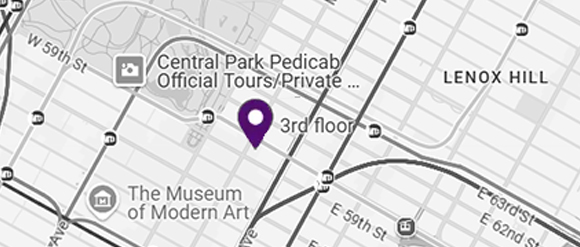
645 Madison Avenue, 3rd Floor, New York, NY 10022
Tell :
Book an Appointment →